AI is changing the way industries operate around the world, and ports and logistics are no different. Bringing AI into port operations is key to improving productivity, reducing costs and increasing efficiency.
Australian ports are considered slower at turning ships around than the average international port. According to an inquiry report by the Australian Government Productivity Commission, inefficient systems in Australia’s major container ports cost the economy around AUD$600 million a year. Improving and automating those systems keeps that money in the economy.
Well-functioning container ports let goods enter the country faster and reduce the cost of imports, and they help Australian exporters compete on global markets. Efficient ports minimise the time containers take to pass through while using every input as effectively as possible.
What makes a port smart
Smart ports use digital technologies such as advanced data analytics, Internet of Things (IoT) sensors and AI to optimise every part of the port ecosystem, including shipping, cargo handling and logistics.
- Digitisation: Data on every part of port operations, including vessel traffic, cargo movements and equipment performance, is gathered and analysed.
- Automation: Automation technologies, such as autonomous container handling equipment, improve the speed and accuracy of cargo handling.
- Predictive analytics: Advanced analytics predict potential problems and optimise operations, so the port can respond early to changing conditions.
- Sustainability: Initiatives such as energy-efficient lighting, low-emission vehicles and waste reduction shrink the port’s environmental footprint.
- Collaboration: Shipping companies, port authorities and government agencies work together to keep port operations smooth and efficient.
Our services
Our team has extensive experience working with container terminal operators and logistics providers, so we can tailor software solutions to your specific needs. We help you streamline operations, reduce costs and improve efficiency, increasing your profitability.
- Technology assessments: We evaluate your existing technology infrastructure and recommend improvements or upgrades, reviewing your systems and identifying areas to optimise, such as adding IoT sensors or upgrading software applications.
- Strategic planning: We help you develop a long-term strategy for adopting smart port technologies, analysing market trends, identifying the most promising technologies and building a roadmap for implementation.
- Project management: We oversee the implementation of smart port technologies, coordinating stakeholders, managing timelines and budgets, and making sure projects are delivered on time and on budget.
- Implementation support: We help you bring new technologies into your operation, training employees, testing systems and equipment, and making sure systems are properly configured and integrated.
- Process optimisation: We analyse or build your workflows to find opportunities for automation and efficiency, and improve data management practices to support better decisions.
- Sustainability consulting: We help you reduce your environmental impact, auditing for areas to improve, implementing energy-efficient technologies and developing sustainability strategies.
Smart ports in practice
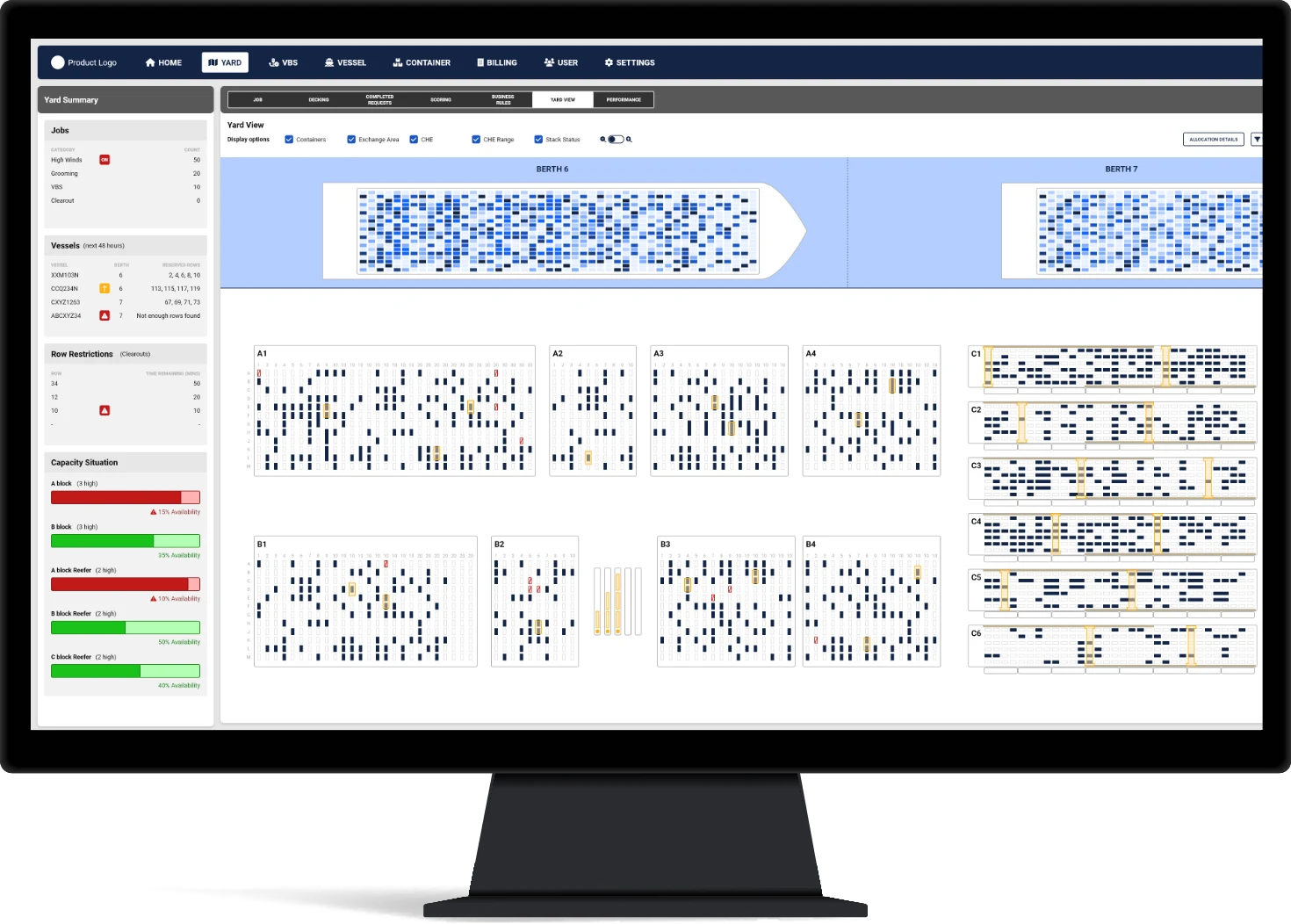
At South Australia’s largest port, Flinders Adelaide Container Terminal, the WaveSCM Decision Cloud Yard Decking Optimiser decides in real time where each container is best placed in the yard, reducing re-handles and straddle travel.
To explore how Wave Systems can help unlock the full potential of your terminal, please contact us:
Request a Demo